

Foundation Repair in Marshall, TX
Stabilizing Concrete Slab Foundations
Best Way Foundation Repair has been handling slab settlement, stair-step brick cracking and doors that have gone out of square across Harrison County for over 25 years. Roughly 25 miles east of Longview. Free inspections, warranted work, and owner James Wilson on site.
Why Marshall Homes Need This Work
Foundation repair on a concrete slab means getting the slab back to a stable elevation and keeping it there. In East Texas that almost always comes back to soil moisture: the clay under the slab swells when it takes on water and shrinks as it dries, and the slab moves with it. Repair that does not address why the soil moved is repair you pay for twice.
We start every job with elevation readings across the whole footprint, not just the corner where the crack showed up. A manometer survey tells us how far out of level the slab actually is, where the low points sit, and whether the movement is settlement, heave, or a slab that was never poured level to begin with. That distinction changes the repair completely.
Where piers are warranted we install them to refusal on load-bearing points, lift in controlled increments, and monitor the structure as it comes back. Where the slab needs stabilization rather than lifting, we say so. Owner James Wilson runs the elevation survey himself and is on-site while the work is done.
What Moves Foundations in Harrison County
Historic Construction. Marshall's older homes were built on materials that were never meant to last a century underground. Original wood piers and sills eventually give way, and the floor system settles unevenly on top of them.
Additions and Add-Ons. Rooms added years after the original build often sit on shallower footings than the main house. The two sections then move at different rates, and the joint between them cracks.
Expansive Soils and Big Trees. Mature tree cover plus shrink-swell clay is a demanding combination. Roots draw moisture from under the perimeter in dry months and the foundation follows the soil down.
We cover Marshall and the surrounding communities — Hallsville, Longview, Waskom, Karnack, Elysian Fields, Jefferson — and there is no travel charge for the inspection.
When You Need Foundation Repair
Foundation problems do not resolve themselves, and the number of piers a house needs grows the longer it keeps moving. If any of this sounds like your Marshall home, have it measured while it is still small — the inspection costs nothing.
Get My Free Inspection- Stair-step cracks in exterior brick or mortar joints
- Cracks in sheetrock above doors and windows
- Doors and windows that stick, drag or will not latch
- Gaps between the slab and the brick ledge
- Cracked floor tile or grout running in a line
- Floors that slope noticeably toward one corner
Our Foundation Repair Process
- 1
Manometer Elevation Survey
We measure elevations across the full slab and map the differential in inches. That map, not a guess from the driveway, is what determines pier placement.
- 2
Cause Diagnosis
Settlement, heave, plumbing leak and poor compaction all produce cracks, and they need different repairs. We identify which one you have before quoting anything.
- 3
Pier Placement Plan
Piers go on load-bearing points at spacings the structure calls for. You get the plan and the price in writing before we start.
- 4
Controlled Lift
We lift in small increments across multiple piers at once, watching the structure as it moves, so the slab comes back without cracking framing or breaking finishes.
- 5
Drainage Correction
We correct the grading and drainage that let the soil move in the first place. On most East Texas jobs this is part of the repair, not an upsell.
Materials & Methods
Steel Press Piers
Hydraulically driven to refusal on load-bearing strata using the weight of the structure itself. Our default on slab work because depth is determined by the soil, not by a guess.
Poured Concrete Piers
Used where soil conditions and access suit them. Engineering-approved, cured to strength before any load is transferred.
Manometer Survey Equipment
Digital elevation measurement across the slab, recorded before and after the lift so you can see exactly what changed.
Polyurethane and Grout Void Fill
Fills voids left under a slab after soil shrinkage so the slab bears evenly instead of spanning empty space.
Marshall Foundation Repair FAQs
How much does foundation repair cost?
It depends almost entirely on how many piers the structure needs and how deep they have to go. A few piers on one settling corner is a very different job from a full perimeter lift. We give you a written price per the plan after the elevation survey, and the inspection that produces it is free.
How do I know if I actually need piers?
You need an elevation survey, not an opinion. Plenty of cracks are cosmetic and plenty of houses are within tolerance. We will tell you when the reading says monitor rather than repair, and we do not charge for that answer.
Will the cracks close up after the repair?
Many of them will close substantially as the slab comes back to elevation. Some hairline separation in brick and sheetrock stays visible and needs cosmetic patching afterward. We tell you which is which before we start so nothing is a surprise.
How long does the work take?
Most residential slab jobs run one to three working days depending on pier count and access. We give you a schedule with the written quote.
Do I need to move out during the repair?
No. Almost all of our slab work is done from outside the house with the family living in it normally. Interior piers are the exception, and we tell you in advance if any are needed.
Do you use steel or concrete piers?
Both, chosen by soil and access rather than by what we would rather sell. Steel press piers are driven to refusal so depth is set by the soil; poured concrete piers suit certain sites better. We explain which we are recommending and why.
Foundation Repair Near Marshall
Our Other Services
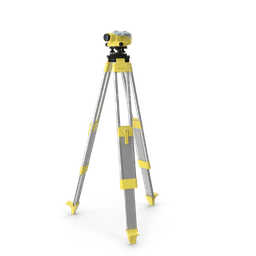
Foundation Lifting & House Leveling in Marshall
Our core work — controlled hydraulic lifting on concrete and steel piers, bringing a settled house back to true.
Learn more
Pier & Beam Repair in Marshall
Joists, sills, beams and piers rebuilt on older and custom-framed homes.
Learn more
Drainage Solutions in Marshall
Moving water away from the foundation so the repair keeps holding.
Learn more